


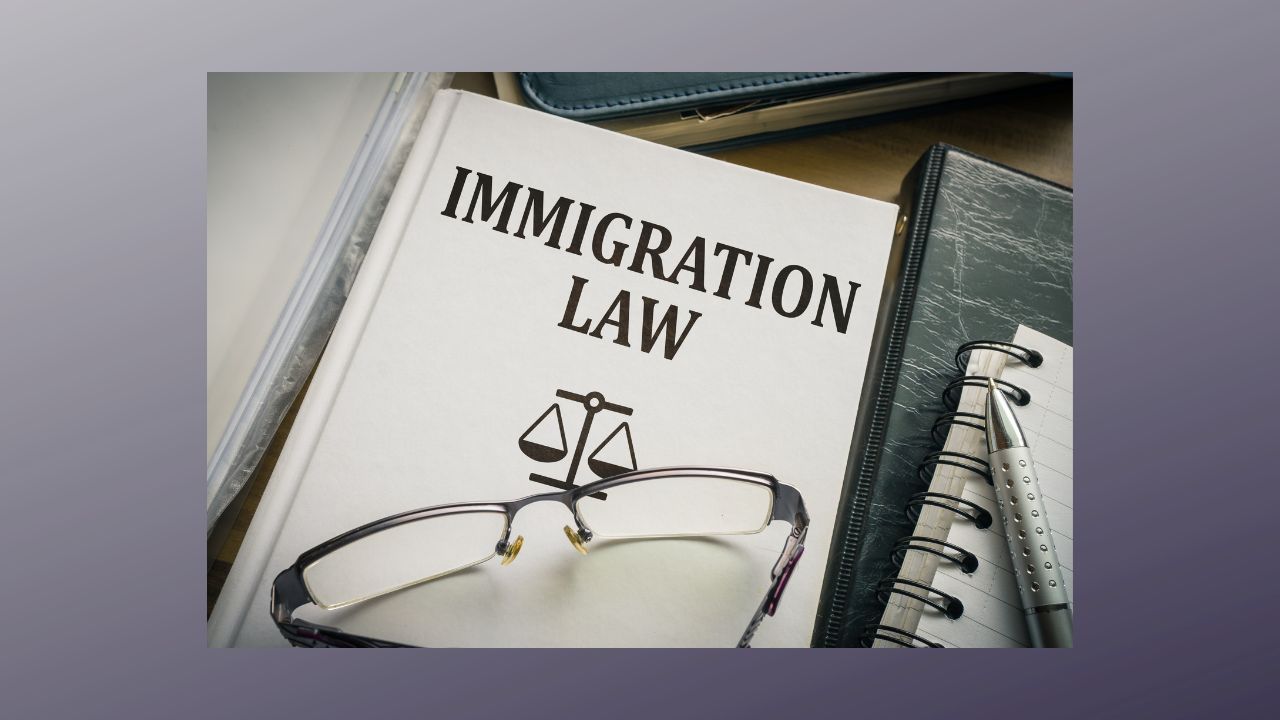
Miami is one of the most culturally diverse cities in the country, drawing families from all over the world to build new lives, seek opportunities, and lay lasting roots. International connections and a vibrant immigrant community make it a place where immigration laws impact countless households, businesses, and plans for the future. But even routine immigration matters can become difficult when changing rules, complex eligibility requirements, and extensive documentation affect a family’s ability to cohabit and secure legal status.
For many people, understanding their legal options early can help prevent unnecessary delays, reduce uncertainty, and avoid mistakes that can have lasting consequences. Whether you’re planning for the future or dealing with unexpected immigration issues, informed legal guidance can give you more confidence throughout the process. By working with the immigration attorneys at DMR Law in Miami, families can better understand their rights, evaluate available avenues, and take meaningful steps toward achieving greater stability and long-term security in the United States.
Initial case review
Concerns about status often start with timing, records, and eligibility. Families can consult an immigration attorney to review visa history, previous petitions, travel dates, employment details, and family relationships. Early reviews can uncover deadlines, missing evidence, and legal exposure before someone files a form or appears at an interrogation.
find the right category
Immigration status varies by category, application order, and legal status. A lawyer will check whether the person qualifies through a relative, employer, investment, talent or humanitarian route. Careful review can prevent time-consuming filings that do not improve your case. It can also help relatives plan for school days, job offers, caregiving duties, travel restrictions, and more.
protect family unity
Status issues can cause spouses to separate, delay reunions, and cause children to worry about school plans. Your lawyer will explain how your case may affect your partner, parents, children, and dependents. We will also review the rules relating to derivative benefits. This broader perspective helps households avoid decisions that protect one application while harming another.
Looking back on past immigration history
Older records often control current options. Our attorneys investigate entry, exit, visa renewals, denials, overstays, removal orders, previous petitions, and more. A small date error can have significant legal implications. Careful consideration will help families ascertain whether exemptions, consular processing, adjustments, or deferrals of action are still available under the current rules.
build strong evidence
The evidence must be consistent with legal standards, not just in quantity. An attorney can help you collect marriage certificates, birth records, tax returns, employment letters, school documents, medical reports, and proof of legal enrollment. It also verifies translations, signatures, and dates. Clean files reduce clutter and support more accurate reviews by government agencies.
Handling paths to investors and talent
Some families rely on business, relocation, recreational, or merit-based applications. These cases may require proof of capital, executive obligations, awards, publications, contracts, or commercial activities. The attorney will connect the primary applicant’s work history with each relative’s status needs. Coordination becomes important when one person’s approval determines another’s interests.
Preparing for the interview
Interviews require accurate answers under pressure. The attorney will prepare the client by reviewing the schedule, previous statements, documents, and anticipated questions. Practice helps relatives avoid guessing, memory gaps, and inconsistent wording. It also gives the officer a chance to correct any mistakes before treating the disruption as a credibility issue.
Responding to government requests
The agency may request additional evidence or issue a notice contesting eligibility. Your attorney will read those notices line by line and pinpoint your concerns. A focused response avoids emotional arguments that overlook legal issues. A strong response connects facts, documents, and statutes into a format that staff can effectively review.
Reduce avoidable delays
Many delays are caused by preventable defects. Common problems include missing signatures, incorrect fees, outdated forms, poor translations, and blurred copy. Your attorney will review these details before filing and track receipt notifications after filing. Improved tracking means fewer surprises when families plan childcare, rent, work shifts, medical visits, and travel.
Pre-travel risk management
International travel may affect your pending application, entry rights, and future eligibility. Your attorney will consider whether leaving the country could result in penalties, suspension of status, or abandonment of your application. We will also explain what documents you need to bring with you. This advice is urgently needed during funerals, weddings, medical emergencies, international business trips, and school holidays.
Support for mixed households
Many families have relatives with different immigration statuses. One person may hold a visa, another may be waiting on a petition, and the child may have different rights. Lawyers map each case against other cases. Assessing the whole family can help ensure that one relative’s decisions do not pose a risk to other relatives.
conclusion
Immigration status issues can shape a family’s housing, income, education, health care, and long-term security. A lawyer can help by reviewing history, selecting appropriate categories, preparing evidence, tracking deadlines, and explaining risks before making important decisions. Their work cannot remove all obstacles, but provides family structure and reliable information. With steady guidance, relatives can protect their legal options and maintain the bonds that are central to their communities.
