


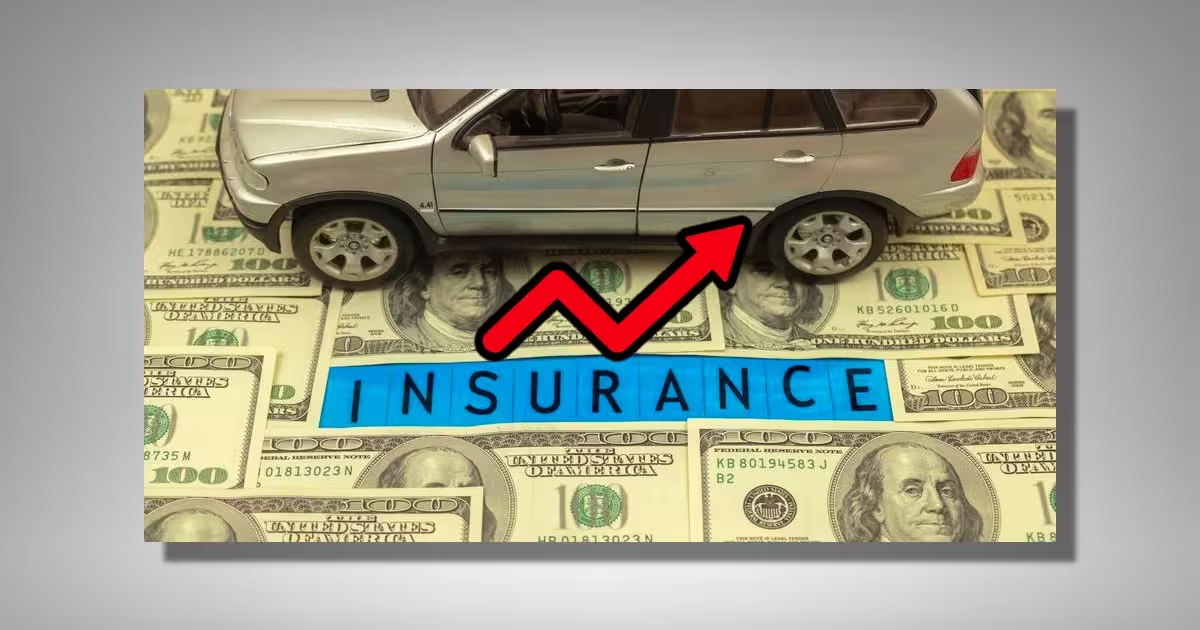
The cost of auto insurance has risen steadily and rapidly in recent years, with searches for “why is auto insurance so expensive” reaching an all-time high this year.
Search interest increased by 104% compared to a 5-year baseline and by 244% globally since 2010.
There are multiple factors that affect these costs, including inflation and personal driving behavior.
Arlen James, senior analyst at Save Max Auto, says there are ways for consumers to save on insurance premiums.
Mr James said one of the main reasons for higher insurance premiums is the advancement of cars that require insurance. Because many new vehicles use technology such as sensors, cameras, and driver assistance systems, maintenance prices are inevitably higher, often higher than drivers expect. Additionally, parts may be difficult to source for some makes and models in certain regions, increasing costs for insurers.
Premium prices vary based on both broader market conditions and individual claims history. Add to this the average cost of labor, vehicle value, medical costs, and claims.


At the same time, weather-related damage and frequent high bills in some regions are leading to higher operating costs.
While it is impossible for drivers to avoid paying the price of broader market conditions, there are still practical ways to manage costs without giving up important coverage.
1. Regularly check your estimated mileage
Annual mileage can have a direct impact on insurance premiums, but many drivers continue to use outdated estimates year after year. Drivers who overestimate their annual mileage by even 5,000 miles may be paying more than they should.
2. Choose your deductible carefully
Choosing a higher deductible can reduce your monthly premiums, but you need to maintain a realistic amount that will cover your out-of-pocket costs if you need to make a claim.
3. Bundle policies as needed
Combining auto insurance with other insurance policies may provide discounts, but drivers should compare the total cost of insurance to its actual usefulness, rather than simply assuming that the bundled policy will automatically be the lowest cost.
4. Avoid paying for coverage that no longer fits your needs
When it comes to renewals, it is most important to review additional charges and re-evaluate your coverage. That’s because your needs and wants can vary greatly due to changes in your life, such as moving, changing your commuting pattern, or making a car payment.
5. Compare policies regularly instead of updating them automatically
Prices can vary widely between providers, even for similar coverage levels. Comparing policy structure and exclusions may be the best way to uncover better value without reducing protection. Additionally, switching providers at update time instead of automatic updates can lead to significant driver savings.
