


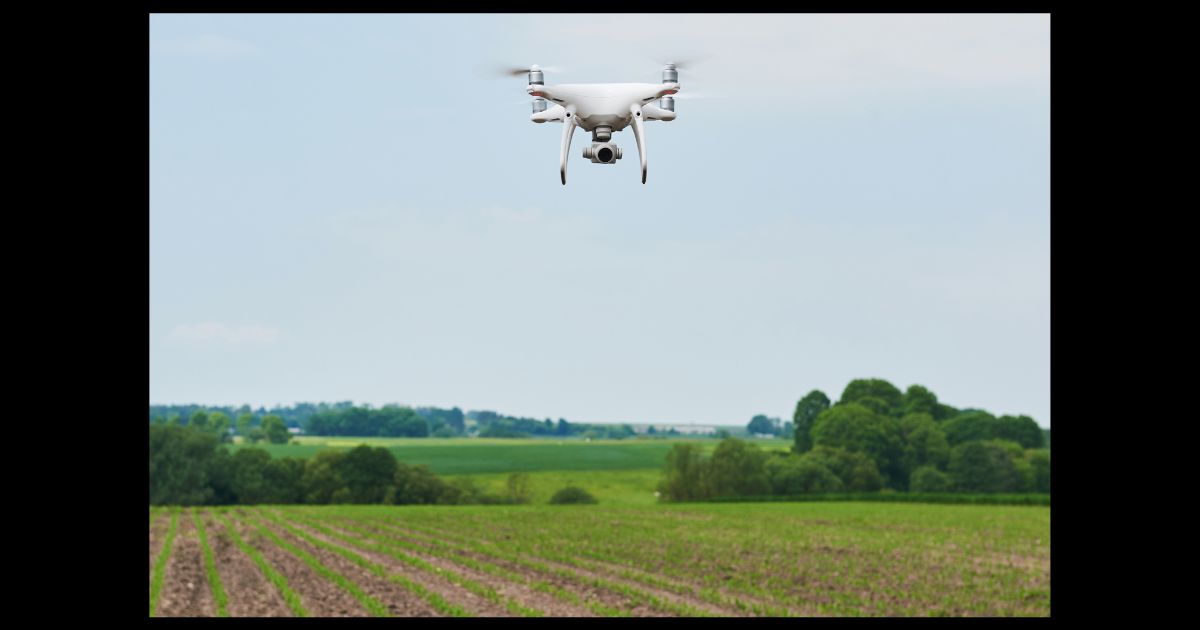
Artificial intelligence is redefining modern cultivation parameters and turning aerial surveillance into a fundamental asset for resource optimization. With traditional methods, early indicators of crop stress are often overlooked and generic treatments are used, increasing costs and reducing overall yield quality.
By integrating autonomous flight and deep learning algorithms, modern agricultural operations can move from reactive troubleshooting to predictive management. Advanced aerial systems process multispectral images in real time, allowing operators to identify anomalies, save on chemical inputs, and maximize profitability across large sites.
What drives the transition to autonomous aviation systems
Traditional tractor sprayers spread chemicals evenly across the field, creating unnecessary overhead and chemical runoff. Aviation systems eliminate this inefficiency by identifying problem areas down to the exact square meter, significantly reducing total inputs while protecting the surrounding ecosystem.
Drone-based sensing effectively identifies soil erosion, drainage anomalies, and nutrient deficiencies, according to a comprehensive technology assessment by the Environmental Protection Agency. This level of detail allows growers to address issues before they disrupt large-scale crop development.
How multispectral imaging unlocks insights into invisible fields
Human vision only captures a fraction of the data that crops provide. Specialized sensors circumvent the limitations of human vision by capturing wavelengths of light that reveal precise cellular activity inside the leaf, providing a clear window to reveal early plant stress long before visible yellowing occurs.

Implementing top-tier hardware from drone manufacturers like Talos Drones allows operators to capture these different spectral signatures with extreme reliability. Automated data output creates highly accurate vegetation index maps, highlighting areas in urgent need of water, nitrogen, or targeted pest management.
Why misconceptions about battery limits distort the truth
There is a persistent myth that aerial work platforms are impractical for industrial-scale farms due to short flight times. This perspective ignores how automated fleet management and modern engineering have completely changed operational workflows.
Fast charging hub restores multi-cell battery packs within 15 minutes. Automatic continuous flight software allows multiple units to change power units in sequence. Precise flight routing optimizes the aerodynamic path to maximize coverage per charge.
How does advanced ML monetize raw data?
Without an intelligent processing framework to decode the images, raw aerial photography has zero monetary value. Machine learning models simultaneously analyze thousands of high-resolution images and match visual anomalies against a vast database of documented agricultural diseases.
Early detection of disease
The algorithm scans leaf patterns to detect minute structural changes caused by fungal and bacterial pathogens. Early identification of these threats can prevent large-scale outbreaks without the need for blanket spraying of chemicals across healthy zones.
Accurate stand count
A computer vision system instantly counts individual sprouts across thousands of rows and verifies germination rates. This data allows operators to quickly calculate accurate replanting needs before the seasonal window closes.
Application of variable interest rate
The software converts field maps into direct prescription files for smart machines. This process ensures that the weak zones receive the ideal amount of nutrients without oversaturating the healthy zones.
When should you deploy air units to maximize return on investment?
The ultimate value of aviation data collection is determined by timing. Flights conducted at random intervals produce truncated snapshots, whereas structured monitoring tied to key biological milestones provides actionable intelligence that directly protects profit margins.
The average size of a farm in the United States is 446 acres, according to data released by the U.S. General Accounting Office. Managing operations of this scale requires strategically collecting images during early emergence, peak vegetative growth, and pre-harvest stages to optimize inputs and accurately predict total seasonal yields.
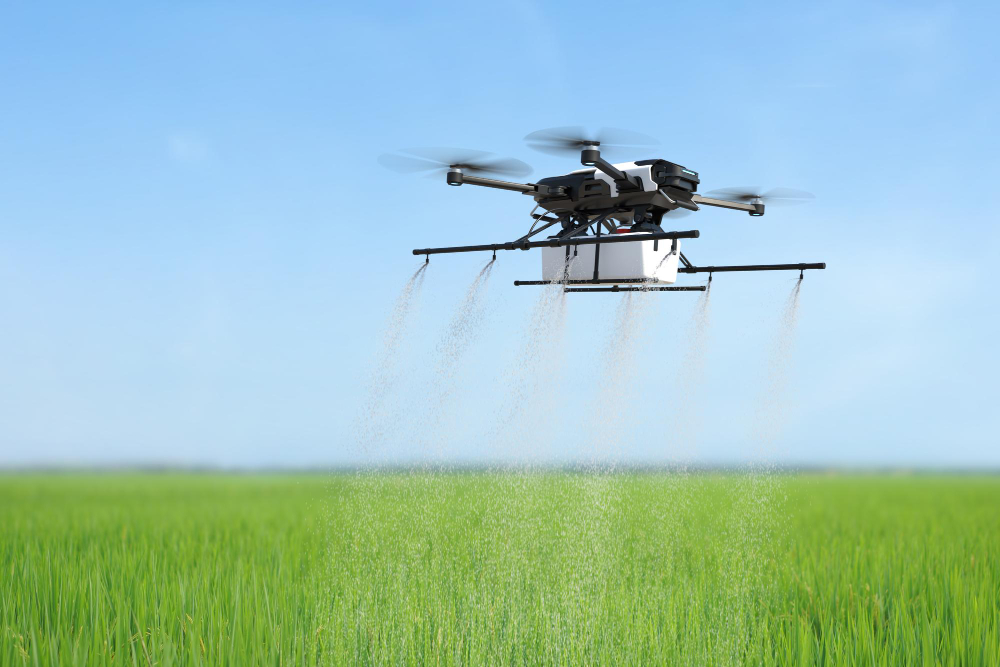
Why Aerial Intelligence?
Moving to automated aviation management requires a structured approach to avoid common implementation mistakes. Success requires clear protocols, rather than simply buying the most expensive hardware available.
Define specific operational goals, such as weed mapping or yield prediction, before choosing a sensor package. Invest in automated cloud processing software to reduce data turnaround time. Establish standard flight paths early to maintain data consistency throughout the year.
Common operational questions about agricultural drones
How do aviation systems perform under unexpected high wind conditions?
The latest industrial unit utilizes advanced gyro stabilization and high-torque motors to maintain a precise flight path and uniform spray pattern even in crosswinds up to 25 mph.
What specific software do I need to process multispectral field images?
The photogrammetry platform processes raw aerial data into orthomosaic maps and integrates them into standard farm management information systems via standardized shapefiles for direct machine calibration.
Are special licenses required to operate an autonomous chemical application platform?
To legally apply fertilizers, herbicides, and pesticides via autonomous flight systems, operators must obtain a commercial remote pilot certification along with a specific state agricultural aircraft pilot license.

