


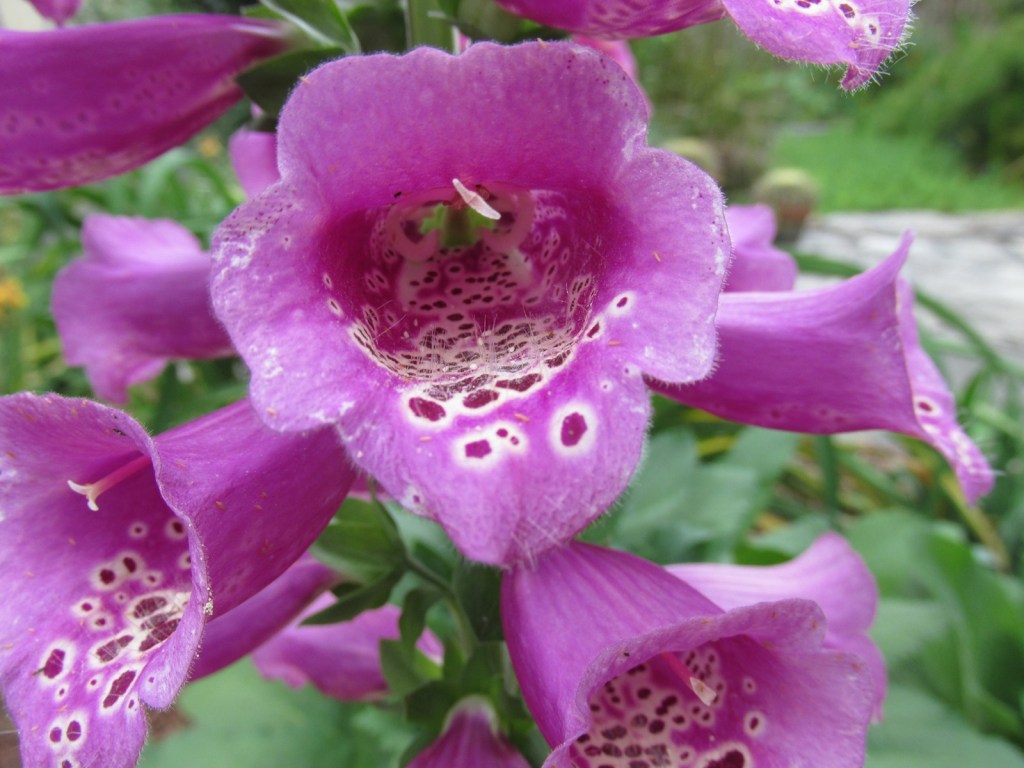
Q: I purchased several foxgloves that are flowering. What kind of care is required once the flowers have finished blooming? Also, do they bloom in different years?
A: Some believe this pretty flower’s name comes from folklore, where it resembles small gloves that foxes use to protect or silence their paws. Most of us simply enjoy the colorful flower stalks that bloom in the spring. Unfortunately, the local foxglove only survives until spring and early summer, after which it succumbs to the heat and humidity of the hot season. Give perennials regular water and a little fertilizer until they fade and are removed. Other summer flowers can be planted in this location, and new foxgloves can be added in late fall or winter for spring flowering. Plants can also be grown from seeds, but it is important to choose varieties that are suitable for Florida. Varieties called Camelot and Foxy seem to grow best locally. Sow in October or early November for transplanting in late winter. Flowering plants are also available at garden centers in March or April.
Q: All the Norfolk Island pines I have seen have large brown branches along the trunk. Will it grow back or should I remove it?
A: Your question is a very common question. Norfolk Island pines are not true pines and are not as hardy as common pines. Most of them are heavily damaged and have turned brown. You can expect the loss of many limbs consisting of small needle stalks. Most recently inspected Norfolk Island pines have greenery along their trunks, indicating they are alive and capable of recovery. It will turn a little brown, mostly brown, and may never recover. Give these tree shapes time to produce new growth. Unfortunately, they won’t be as attractive as you remember. Most will regrow short buds along the trunk and normal growth at the top. If you don’t mind this appearance, you can leave it as a landscape plant.

Q: I am growing a new Meyer lemon tree in a large container. How should I fertilize?
A: Plants in containers need to be fed more frequently than plants in the ground. Apply a light application of citrus fertilizer monthly from March to November. Spread the fertilizer on the surface of the soil in the container. About 1/8 of a cup is appropriate. Another easy way to fertilize is to follow container planting instructions and use a slow-release product. Get one that contains macronutrients and micronutrients. Application frequency of slow-release products may be less than that of conventional fertilizers.
Q: I’ve noticed tiny green bugs swarming around the tips of some of my shrubs and flower stems. Are there also many sticky substances? What are they? Are there natural controls?
A: If you look closely and see that this insect is pear-shaped and has two short prongs on the back, it is an aphid. They also produce sticky substances such as excrement and plant sap. Aphids suck the sap from the tender buds, so they are found at the ends of stems. In some cases, you can wash it off with a strong stream of water. It can also be removed with soapy water. Naturally controlled insecticidal soaps are available from garden centers. To get rid of these pests, you should hit the aphids with this product spray according to the label instructions.
Botany Doctor: Are your cannas not blooming? Maybe they need more time, or maybe they’re feeling a little crowded
Q: I recently received some tomato seeds. Is it too late to start seeds for transplants?
A: It is best to save seeds that are sown in July so that they can be transplanted by early August. At this time of year, tomatoes bear fruit underground and should ripen in a few weeks. When the weather gets hot, most tomatoes stop fruiting, leaving only the vines for summer, but many of them also die. Some varieties, such as grape tomatoes, may set fruit into the summer, but not in the spring or fall. Store new seeds in a plastic bag or airtight container in the vegetable section of your refrigerator until it’s time to sow.
Q: My azalea is over 25 years old and is dying. How can I make it thick again?
A: It sounds like your plant needs rejuvenation pruning, but there are risks involved. If the plant is not healthy, it may not grow again, but you probably have little choice. Start by removing dead or weakened trunks and limbs. Then, cut the plant back to within 1 to 2 feet of the ground. Get your rhododendrons off to a good start by testing your soil for acidity and adjusting the pH if necessary according to the test’s recommendations. Next, feed the plants with a proper fertilizer schedule of one application of a slow-release rhododendron or landscape product in March, May, and early October. Also maintain a 2-inch layer of mulch to keep the soil moist. Control mold leaf spot and insects as needed.
As May approaches, here’s a Central Florida gardener’s to-do list
Q: I bought a longhorn lily and am enjoying the flowers, but now the plant is starting to wither. What should I do?
A: Fortunately, the longhorn lily, formerly known as the Bermuda lily and white gold lily, makes a comeback every spring, but that may not be the case at Easter. If planted in a flower bed that receives plenty of sunlight filtering through the trees, it will begin to regrow in January, but will not bloom until late April or May. Remove the deteriorated bulb from the container and plant it in the ground. Mark the spot because the plant will die to the ground and go unnoticed until growth resumes. If you give the other plants in your bed regular care, your longhorn lily bulbs should benefit as well. Longhorn lilies can also be kept in containers until they resume growth in early winter. Once the plants have died down, place the container with the bulbs in a shady area and keep them lightly moist until you see new growth. It is then filtered and exposed to sunlight and normal humidity.
Tom McCubbin is an emeritus urban horticulturist for the University of Florida Cooperative Extension Service. Write to Orlando Sentinel, PO Box 2833, Orlando, FL. 32802. Email: TomMac1996@aol.com.
