


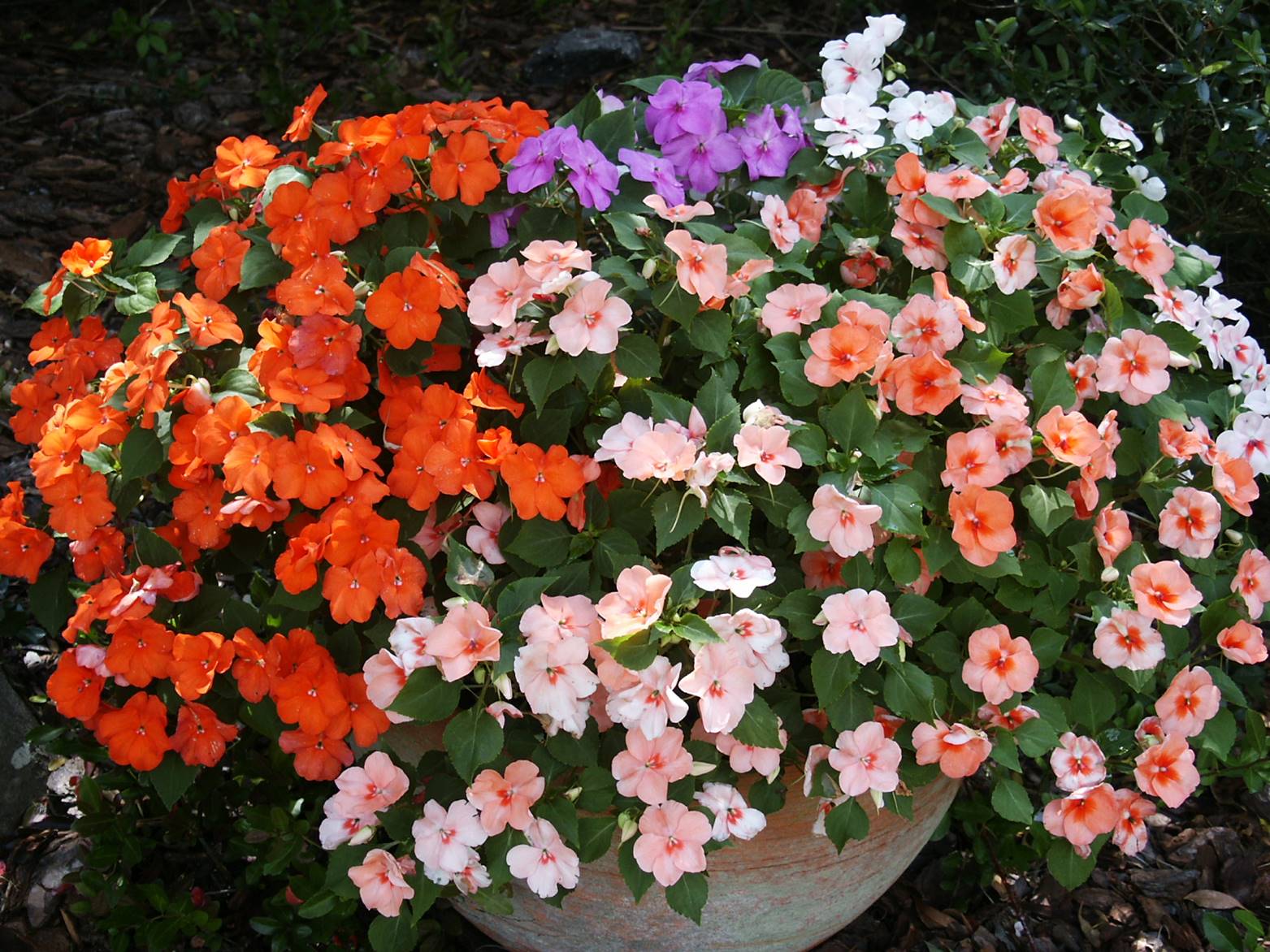
Q: I am growing impatiens in a container in the shade, but they are not blooming as expected. The stems are long and spindly. How can I get more flowers to bloom?
A: Impatiens prefer shade, but they also like sunlight. The best location for your plant is a sunny spot where it can enjoy sun and shade throughout the day. Spindly growth suggests too much shade, and even if the plant survives, it won’t produce as many flowers. Try moving your plant to a new location where it gets a little more sun, especially in the morning. Also, try cutting thin buds back a few inches to encourage new growth that will flower. Feed with a slow-release fertilizer according to label instructions. Please apply at the frequency listed. Keep the soil moist when there is not enough rain.
Q: I heard that the University of Florida is implicating dead or decayed Podocarpus in mushroom root rot. Have you found the controls?
A: There are two problems with podocarpus. One is the lack of water needed by new plants. Make sure the root ball is moist when planting and keep it moist until the roots grow into the surrounding soil. It may take several months to establish a new podocarpus plant with proper watering. After that, regular watering can keep it healthy. Mushroom root rot is a common problem, especially in stressed podocarpus. This fungus lives in the soil, often where oak trees are or have been. There is no reliable control. Podocarpus shrubs and trees decline when affected by fungi. Gardeners can prevent infection by keeping plantings moist and not overly wet. Some of the healthiest podocarpus seem to be kept in a dry location once established and only watered during the drier times of the year. Also, keep the plant healthy by fertilizing it once or twice a year.
Q: I recently read an article that says pineapple fruit can continue to ripen after being harvested. Some say it needs to ripen before it can be harvested. Could you please clear this up?
A: Probably the sweetest, juiciest pineapple I’ve ever eaten is fresh from my backyard. I left it on the plant until it was golden brown to harvest. Unfortunately, critters also like fruit at this stage of maturity, so I lost some fruit. When you want to eat pineapple probably depends on your taste buds. Harvesting or purchasing it at the green stage and leaving it in the kitchen for a few days seems to improve the flavor, but does not increase the sugar content. The fruit will become softer and more colorful, but will not have as much flavor as fruit left on the plant until fully ripe.
Are you a gardener in Central Florida? Here’s your to-do list for July
Q: I have key limes that I trimmed last year. Since then, it has not produced any flowers or fruit. Apply slow-release fertilizer. What do I need to do to recover and start bearing fruit again?
A: If you give your key lime tree more time, it can become a better producer. The email photo shows a number of fairly small trees growing, suggesting that it has returned to a more youthful stage after pruning. The leaves are also turning quite yellow, possibly due to nutritional deficiencies. Fertilizing the tree three to four times a year will keep the tree healthy. Follow the instructions on the label of the product you are using. Look for a citrus fertilizer that contains all the essential macronutrients. Also apply a small amount of nutrient spray made for citrus, sold at independent garden centers. Apply each time new buds appear. Control pests, keep the tree moist and wait for the next bloom. Key limes primarily bloom in the spring, but they may bloom at other times of the year as well.
Q: White buds are appearing on the branches of my peach tree, and some are dying. Should limbs be removed?
A: Unfortunately, peach trees have a short life span and many diseases develop on their trunks. Fungal problems are common, and some can cause mushroom growth called conch along the limbs. These branches should be removed and replaced with a healthy part of the tree. There are no fungicides or other chemical treatments available to solve these problems. In our climate, the lifespan of a peach tree is about 10 to 15 years.

Q: Our coleus plants grow profusely during the summer weather. Should I prune it again at this time?
A: Rain and hot weather will deter much growth from colorful coleus plantings. Adding a small amount of fertilizer will allow the plant to send shoots out of range. If necessary, make any necessary trimming to reduce the height and width of the coleus. If you cut it back at least a foot below your desired height, it should quickly be filled with new leaves. If you need more plants, use the cuttings as cuttings and stick each part into a container of soil. The 6-inch tip and stem pieces root equally well and quickly. If you place the cuttings in a shady area and mist them several times a day, they will be ready for planting in containers or other flower beds in about a month. Coleus also produces many flower buds. Bees love visiting flowers, but many gardeners find flower stems unpleasant. They can be removed if necessary, which helps reduce the size of the planting. Cut back flower stalks to encourage new shoots that produce more leaves.
Botanist: There’s no need to worry if the skin of your crape myrtle peels and falls off.
Q: I am interested in growing my own ginger. Is it planted in the ground or in a container?
A: To grow ginger in the ground or in containers, choose a location that receives full sun. Ginger grows quickly during the warm months and by fall it is ready to harvest and use as needed. The plants die during the winter, but regrow in the spring. Fresh Start is available from rhizomes sold at grocery stores and local markets. If growing in the ground, add plenty of organic matter to the sandy soil, keep the soil moist, and feed monthly with a common garden fertilizer. Many gardeners prefer to grow ginger in large diameter containers that can be moved as needed. Plant the rhizomes in suitable potting soil, keep them moist, and apply a slow-release fertilizer if planting in containers according to label instructions.
Tom McCubbin is an emeritus urban horticulturist for the University of Florida Cooperative Extension Service. Write to Orlando Sentinel, PO Box 2833, Orlando, FL. 32802. Email: TomMac1996@aol.com.
