


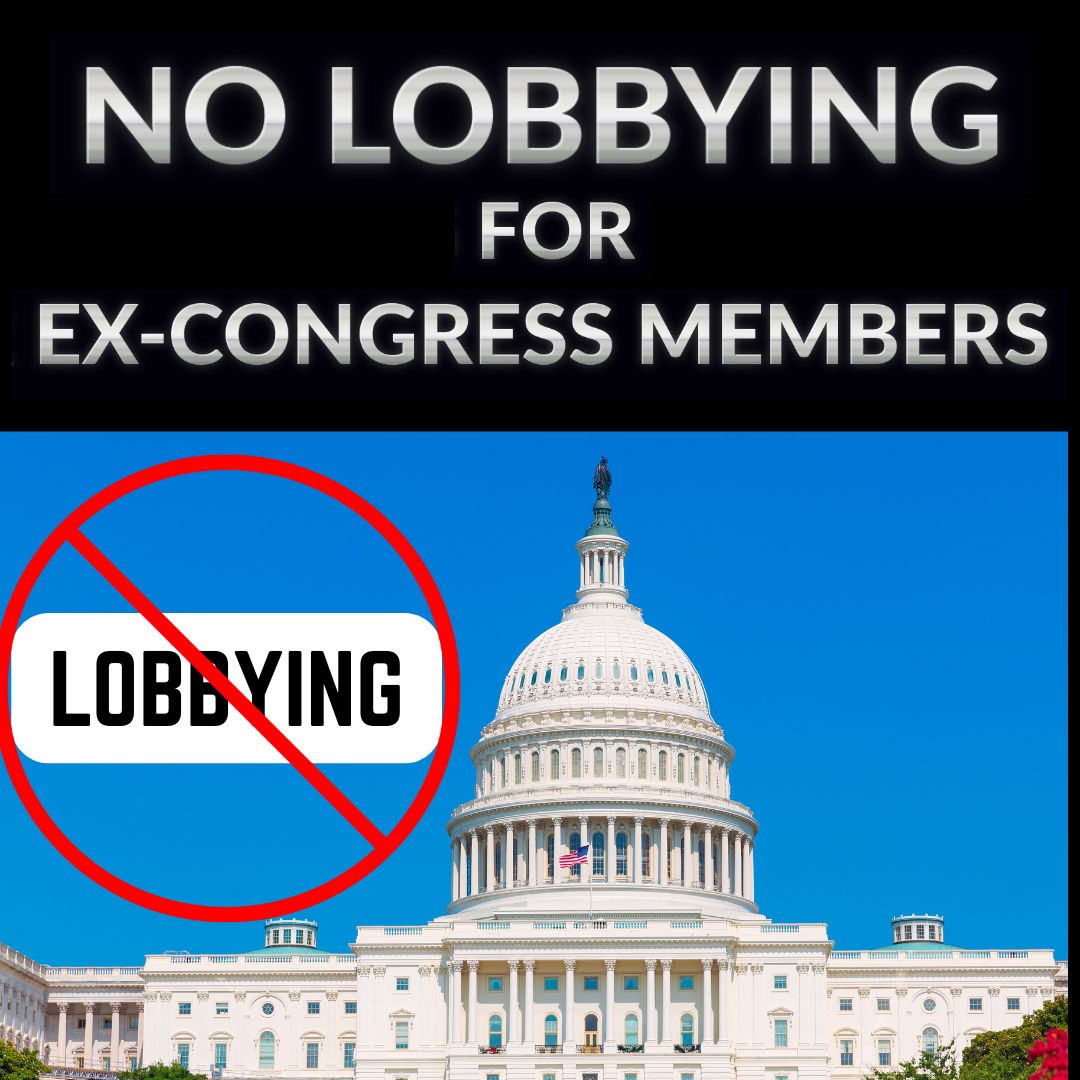
Sens. Rick Scott (R-Fla.) and Elizabeth Warren (D-Mass.) have introduced bipartisan legislation that would permanently ban former members from lobbying Congress after they leave office.
The bill, called the “Ban on Lobbying and Trust Protection Act (BLAST),” would apply to former members of the U.S. House and Senate, as well as elected members of Congress.
The proposal would prohibit former members of Congress from registering as lobbyists under the federal Lobbying Disclosure Act. The bill would also prohibit people from contacting lobbyists even if they are not officially registered as such.
This restriction includes communications and appearances to members of Congress, Congressional staff, and the Legislature when made on behalf of a private entity to influence official government action.
The bill also aims to combat what supporters call “shadow lobbying.” The term is often used to describe former officials who are paid for lobbying-related work but avoid officially registering as lobbyists or having direct contact with lobbying themselves.

Violations of the proposed law could result in up to five years in prison and civil fines of up to $50,000 for each violation.
Scott said the bill aims to reduce the “revolving door” between Capitol Hill and lobbying firms.
“When politicians leave office and use their time in public office to make money, the American people lose out,” Scott said. “Trust in our institutions is at an all-time low, and the revolving door between the Capitol and K Street is a big part of that.”
Warren said lawmakers should focus on serving the public, not preparing for lobbying after leaving office.
“It’s long past time to close the revolving door that has corrupted our government and destroyed public trust in our elected officials,” Warren said.
Scott’s office said the bill is part of his broader legislative reform push, which includes proposals to eliminate taxpayer-funded congressional pensions, impose term limits on lawmakers and withhold congressional pay during the government shutdown under the “no budget, no pay” law.

