


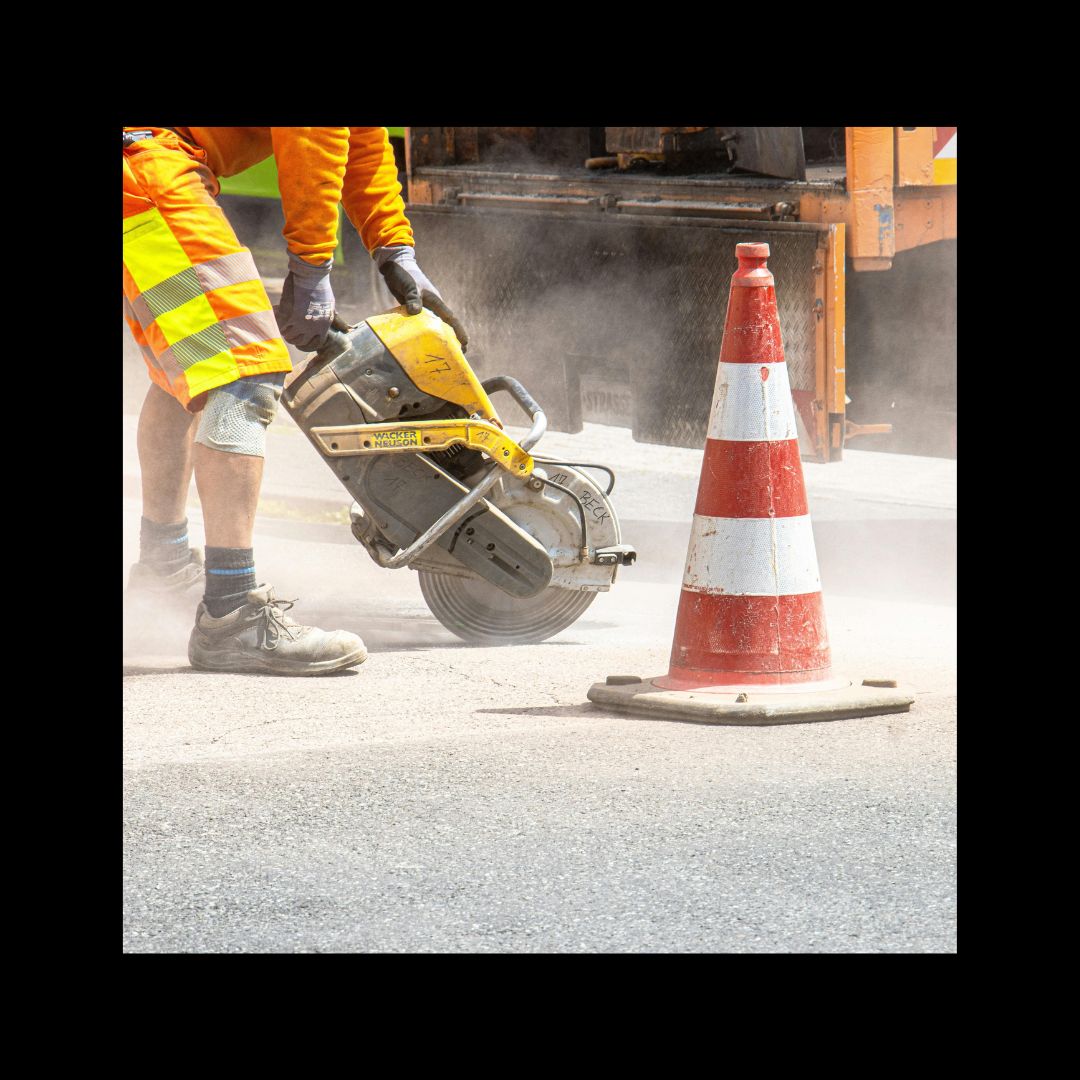
When discussing workplace safety, our minds often go straight to hard hats, yellow tape, and “days since last accident” signs. We typically focus on preventing slips, trips, and falls, but in today’s industrial society, staying safe means more than just avoiding physical injury.
To truly protect the modern workforce, we must look beyond the basics of equipment checks and field inspections. This includes addressing long-term health risks that are not always visible on a day-to-day basis.
The goal for today’s industrial workers is to protect people from both visible risks, such as falling debris, and invisible risks, such as airborne infections and chemical exposure. True safety means ensuring that every worker returns home exactly the same as when they arrived: fit, healthy, and respectful.
Hidden dangers of occupational diseases
Unlike sudden accidents, occupational diseases develop over time due to repeated exposure to harmful conditions. These silent threats include respiratory illnesses from dust and smoke, hearing loss from noise, and musculoskeletal illnesses from repetitive tasks. Workers in manufacturing, construction, and transportation are most at risk.
The main challenge is the delayed onset of symptoms. Because health problems may not appear for years, it is often difficult to connect a current illness to a past workplace situation. This delay makes prevention much more difficult than responding to an emergency injury.

To combat these hidden dangers, employers must go beyond basic safety checks. Regular health checkups, ongoing exposure monitoring, and active preventive measures should be prioritized.
Chemical exposure and long-term health effects
Chemicals are essential to nearly every workplace, from specialized industrial substances to everyday cleaning supplies. However, industrial workers regularly handle substances such as benzene, asbestos, and diesel exhaust that pose serious health risks.
These substances can cause devastating consequences, including cancer, decades after first contact. Because these effects are cumulative, many workers remain unaware of the long-term damage caused by long-term, low-level exposures.
To manage these risks, the NIOSH Chemical Hazards Pocket Guide provides hygiene information and recommendations for approximately 700 chemicals. Additionally, the NIOSH Skin Notation Profile provides supplemental data to help identify specific hazards associated with skin contact.
Employers should leverage these resources to create a comprehensive safety program that includes proper labeling, ventilation, and protective equipment. By keeping detailed exposure records and providing thorough training, companies can help employees understand and proactively manage both immediate and long-term health risks.
Respiratory and airborne threats
Industrial workers are constantly exposed to respiratory hazards such as crystalline silica, asbestos, and chemical vapors that can cause permanent lung scarring and chronic disease. These airborne threats can penetrate deep into the lungs and often cause conditions such as silicosis and asbestosis decades after the initial exposure.
Railway workers are a prime example of this risk. These workers face the unique challenge of inhaling diesel exhaust fumes and toxic dust for extended periods in yards and tunnels.
Beyond respiratory problems, these environments have also been linked to other serious conditions, such as colon cancer caused by exposure to creosote and solvents. Although FELA was established to compensate injured railroad employees, it typically only applies to those who can prove their employer’s negligence within a strict deadline, Gianaris points out. Many workers, especially retirees, do not meet these standards.
In such cases, railroad lawsuits related to colon cancer or lung disease may be pursued as harmful tort claims rather than FELA claims. To protect the workforce, employers must prioritize ventilation, protective equipment, and regular health screenings.
Mental health and psychosocial workplace hazards
Workplace safety must also include mental health, as chronic stress and anxiety can be just as debilitating as physical injuries. Industrial workers often face psychosocial hazards such as high-pressure production quotas, shift work, and limited autonomy. To address this, ISO 45003 serves as the first global standard to provide a framework for identifying and mitigating these risks. Mental health is treated as an important element of occupational safety.
Practical solutions are also emerging through technology. For example, the Miami-based ABC Cares Foundation, part of the ABC Florida East Coast Chapter, recently launched a HIPAA-compliant app to support construction workers across the state. By scanning a QR code at the worksite, workers can gain confidential access to a licensed mental health provider.
Forward-thinking employers are using these tools to go beyond simple equipment checks and foster a culture where workers feel valued. Addressing these hidden hazards in the workplace not only protects people, but improves overall productivity and workplace safety.
Ergonomics and musculoskeletal health
Musculoskeletal disorders are one of the most common yet preventable health problems in industrial settings. Repetitive movements, heavy lifting, and awkward postures cause injuries that workers often ignore until they become debilitated.
According to Frontiers, low back pain (LBP) alone affected more than 600 million people worldwide in 2020. Low back pain now ranks as the leading cause of years of living with disability, significantly impairing productivity and quality of life worldwide.
To address this, employers should implement ergonomic principles and provide suitable lifting equipment. Task rotation and body mechanics training are also essential to reduce physical strain.
Beyond equipment, conducting ergonomic assessments and involving workers in risk identification can lead to practical long-term improvements. By prioritizing musculoskeletal health, companies can alleviate the significant financial burden of disability and help employees remain productive throughout their careers.
Create a culture of total safety
Building a true safety culture requires moving beyond mere compliance to true protection. This transformation relies on trust, where employees feel empowered to report hazards without fear of retaliation. Management must demonstrate this commitment through investment in equipment, thorough training, and transparent communication about immediate and long-term risks.
Recent events highlight the importance of institutions that support these cultures. Federal authorities recently canceled layoffs for hundreds of employees at the National Institute for Occupational Safety and Health (NIOSH). These scientists and engineers provide the research and recommendations needed to prevent work-related illnesses and deaths.
Bringing back professionals under pressure from groups such as firefighters and coal miners reinforces the idea that safety is a collective priority. When employers and institutions prioritize long-term health as much as day-to-day productivity, workers become active participants in maintaining a truly safe environment.
FAQ
What are the most common long-term health risks in industrial settings?
Common long-term risks include respiratory illnesses from exposure to dust and chemicals, hearing loss from prolonged noise, and musculoskeletal disorders from repetitive motion. Additional risks include cardiovascular problems related to chronic stress and various cancers resulting from long-term exposure to carcinogens. These symptoms develop gradually over years of exposure.
How can workers protect themselves from occupational diseases?
Workers must consistently use provided protective equipment, follow established safety procedures, and actively participate in training programs. You must also report hazardous situations, attend regular medical exams, maintain exposure records, and stay informed about the substances you work with. A combination of personal vigilance and employer support creates effective protection.
What legal protections are there for workers who suffer from occupational diseases?
Workers with occupational diseases may be protected by federal laws such as workers’ compensation laws, occupational safety regulations, and FELA. In some cases, if negligence or unsafe working conditions result in long-term exposure, affected workers may pursue toxic tort or product liability claims.
Workplace safety in modern industrial environments needs to be viewed from a broader, long-term perspective. Employers and workers alike share responsibility for addressing hidden risks such as chemical exposure, respiratory illnesses, ergonomic strain, and mental health issues.
These problems often develop silently, but if ignored they can have lifelong effects. Creating a safer workplace requires proactive policies, an informed workforce, supportive leadership, and a culture that values health as much as productivity.

