


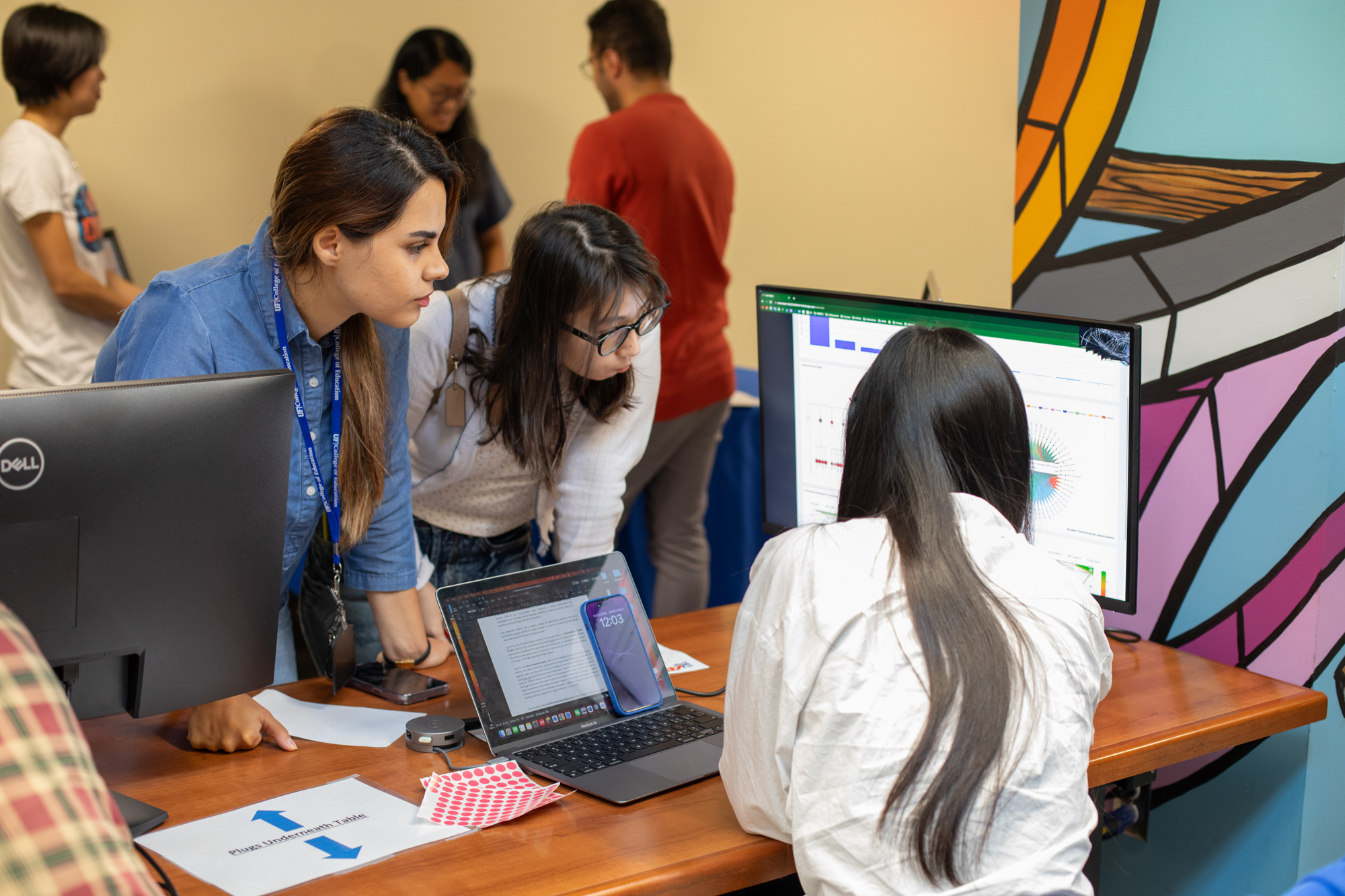
GAINESVILLE, Fla. — As artificial intelligence becomes increasingly integrated into classrooms across the state, the University of Florida will host a two-day conference aimed at helping educators and students better understand how to use rapidly evolving technology responsibly.
The event, hosted by the university’s School of Education, will be held at Norman Hall from March 26th to 27th to commemorate National AI Literacy Day. This conference will focus on research-based strategies designed to help Florida schools incorporate AI tools into their existing curriculum.
One notable initiative is “SharkAI.” This is a project launched in 2022 by university researchers with support from the National Science Foundation. This program uses a five-module curriculum to introduce machine learning to middle school students through hands-on scientific exploration.
“AI is much more than a chatbot,” said Pasha Antonenko, professor of educational technology and co-principal investigator on the project. “Scientists use AI through tools like computer vision to classify species, identify artifacts, and efficiently categorize visual data. Students will learn that these tasks don’t always need to be done by humans, freeing scientists to focus on more complex tasks.”
SharkAI’s curriculum incorporates real-world applications, such as studying shark fossils. Students will learn how to train machine learning models while analyzing and classifying shark teeth for their diversity and familiarity to Florida students. Lessons integrate multiple disciplines, including biology, earth science, computer science, and paleontology.

Early modules introduce students to the basic concepts of AI and the idea of ”community science,” in which non-experts contribute to research efforts. Later modules will allow students to train computer vision models using both real fossils and 3D printed replicas. The program also includes lessons on biases and limitations of machine learning datasets, emphasizing responsible and ethical use of AI.
Jeremy Wytham, assistant professor in the university’s School of Engineering Education and co-principal investigator, said increasing students’ confidence in AI is an important goal.
“It’s really important to intentionally introduce students to what artificial intelligence is and how it can impact them,” Wytham said. “We want them to have a meaningful experience using this technology that builds their confidence.”
This commitment extends beyond students. A week-long professional development program allows teachers to engage with the SharkAI curriculum while strengthening their understanding of machine learning concepts. The program has brought dozens of educators to UF each summer for the past three years and continues to make improvements based on teacher feedback.
Participating teachers can also connect with scientists through the “Scientists in Every Florida School” program, an initiative of the University of Florida Thompson Earth System Institute. The program pairs researchers with K-12 classrooms to provide hands-on STEM experiences and provide students with potential career paths.
University officials say the conference and initiatives such as the SharkAI curriculum are designed to help educators navigate both the opportunities and challenges that AI presents in the classroom.
“Providing accurate knowledge to teachers while addressing concerns about artificial intelligence is an area where universities can play an important role,” Mr Wytham said.

