


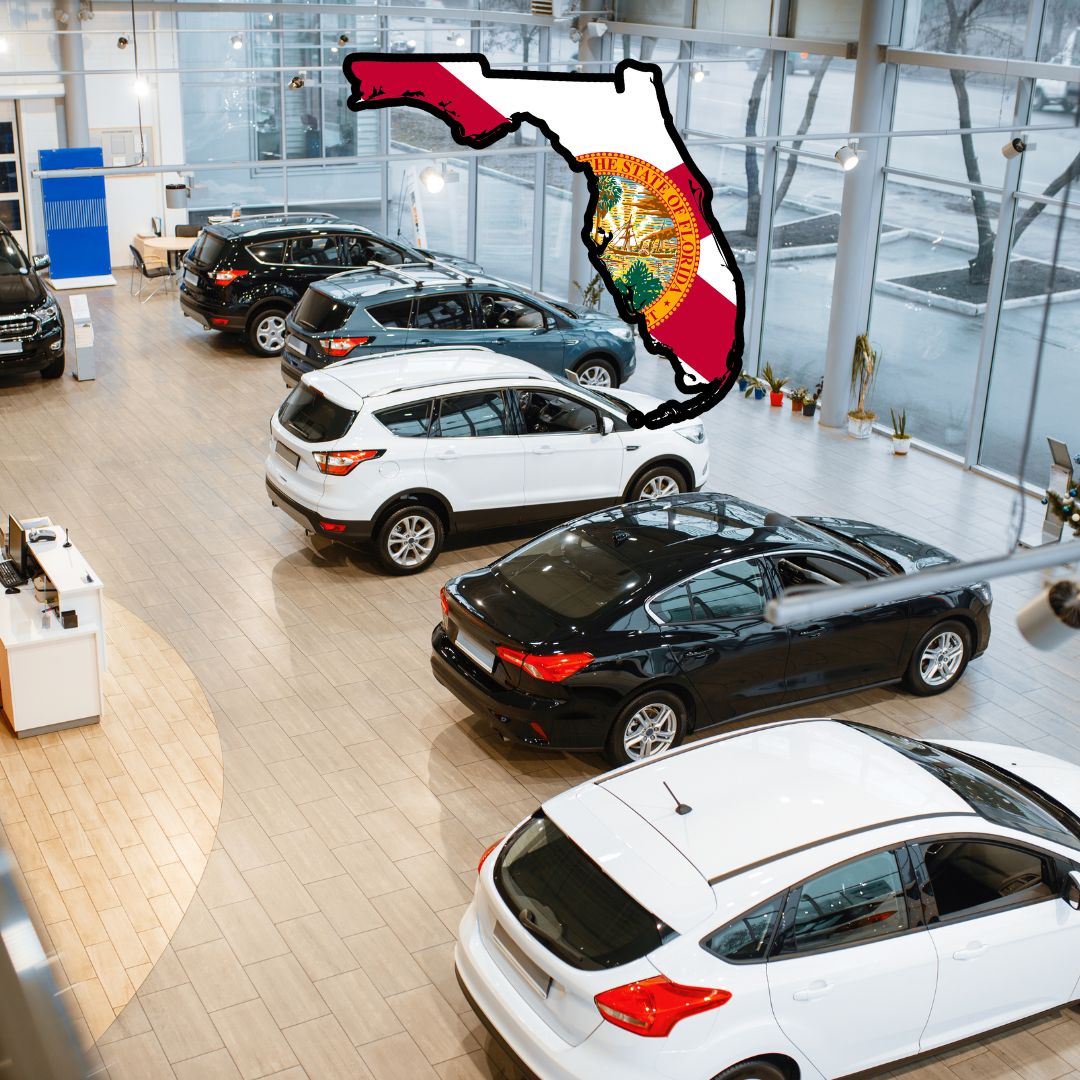
“We have finally defeated the Democratic Party’s climate change madness,” Environmental Protection Agency Administrator Lee Zeldin said after the Trump administration announced it would repeal President Obama’s 2009 greenhouse gas regulations imposed on automakers to combat “climate change.”
The White House said this is the largest deregulatory package in U.S. history.
Zeldin said this could save U.S. taxpayers more than $1.3 trillion and reduce car prices for consumers by $2,400.
How bad were President Obama’s regulations for the auto industry?
Bruce de Torres, director of communications for the American Federation of Small Businesses, said the regulations will cost businesses trillions of dollars in compliance burdens such as fuel efficiency requirements, tailpipe standards and reporting requirements.

“Repealing this bill would remove hidden taxes on manufacturers, trucking companies, energy producers and small businesses, lower vehicle prices, lower operating costs and free up capital for growth, jobs and innovation,” De Torres said.
De Torres also said that lifting greenhouse gas regulations would lower prices, make gasoline-powered vehicles affordable again, reduce fleet costs for delivery and trucking companies, lower the cost of goods transported by truck, and directly benefit Main Street businesses and consumers.
“The uncertainty and compliance nightmare is over. Companies no longer face endless EPA audits, emissions certifications, off-cycle credit red tape, or market-distorting obligations (e.g., forcing unsold EVs). This levels the playing field, especially for smaller companies that have not been able to absorb the same costs as larger companies,” De Torres said.
Economic analysts predict that the EPA’s recent moves to eliminate these regulations will boost the economy through lower energy and transportation costs that spill over to supply chains, manufacturing, agriculture, and retail, creating a more competitive U.S. economy and helping reverse inflationary pressures on households and businesses.

