


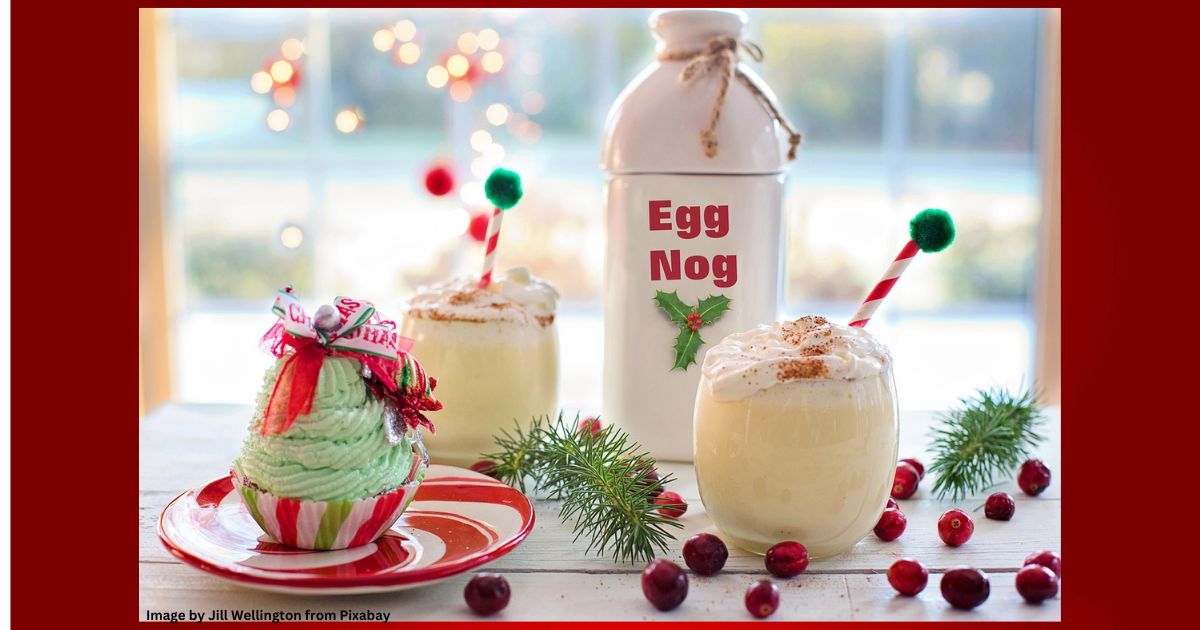
Eggnog is a thick, creamy drink traditionally associated with holiday celebrations. Over the centuries, its history has evolved from a drink consumed by Europe’s elite to a celebratory staple enjoyed around the world.
origins of medieval europe
Eggnog’s roots go back to the medieval European drink “posset” made with hot milk, eggs, and ale or wine. Posetto was not only drunk as a cold remedy, but also enjoyed as a luxurious drink at social gatherings. By the 17th century, milk and eggs had become scarce and expensive, and posset became a drink primarily for the wealthy.
Over time, the recipe evolved. Brandy and sherry replaced ale and wine as alcohol additives. The inclusion of these spirits helped preserve dairy products and eggs, especially in the absence of refrigeration.
Introduction to the Americas
In the 18th century, eggnog became more popular in the American colonies, where milk and eggs were more plentiful. Colonists adapted the recipe, substituting heavily taxed European brandy and sherry with rum imported from the Caribbean. Because rum was affordable, eggnog became more available and became a celebratory drink for gatherings, especially during the winter months.
Relationship with Christmas
The connection between eggnog and Christmas likely stems from its use in toasting holiday feasts. Its rich and luxurious ingredients became a symbol of the richness and cheerfulness of the celebration. By the 19th century, eggnog was firmly established as a Christmas tradition in the United States, often served at parties and family gatherings.

modern eggnog
Today, eggnog can be enjoyed with or without alcohol, and is often flavored with nutmeg, cinnamon, or vanilla. Although commercial versions are widely available, homemade recipes remain popular. Whether served hot or cold, eggnog continues to embody the warmth and indulgence of the holiday season.

