


Mental health care is changing as doctors seek new ways to support patients whose symptoms have not been alleviated by traditional treatments. Ketamine therapy has emerged as one of the most promising developments in recent years. Using ketamine in clinical settings can provide faster symptom relief and open new possibilities for people living with depression, anxiety, PTSD, and suicidal thoughts.
Rather than replacing existing treatments, ketamine expands the options available to both doctors and patients.
Why ketamine is gaining attention in mental health care
Many traditional antidepressants affect serotonin and related brain chemicals and can take several weeks to take effect. For patients in a mental crisis or with treatment-resistant depression, waiting that long may feel unbearable.
Ketamine is different in that it acts on the glutamate system in the brain. This system is closely linked to learning, memory, and emotional processing. Ketamine stimulates rapid changes in mood and thinking by affecting the activity of glutamate. Often within hours or days rather than weeks.
This speed is one of the main reasons doctors are incorporating ketamine into modern mental health treatment plans.
How ketamine supports brain function
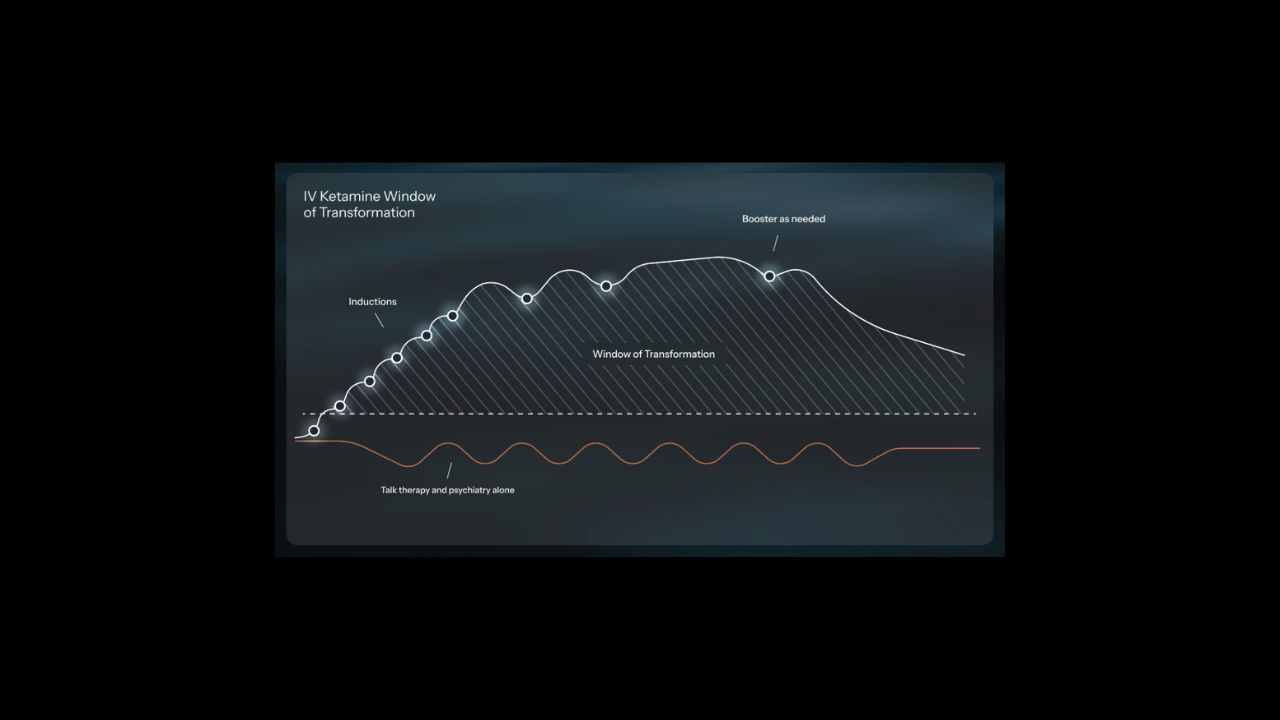
Ketamine promotes neuroplasticity, the brain’s ability to form new connections. People who have had long-term depression or trauma may have rigid thinking patterns that are difficult to change. Ketamine helps create a window of flexibility in the brain, making it easier for patients to process emotions differently and respond more effectively to treatment.
Doctors often describe ketamine as a catalyst. Although it does not cure mental illness by itself, it can help patients become more open to healing, reflection, and psychological growth.
Who Should Doctors Consider Ketamine Therapy?
Ketamine therapy is typically considered for patients who have not responded adequately to standard treatments. This may include people experiencing:
Treatment-resistant depression Severe or persistent anxiety PTSD that does not improve with conventional treatments Suicidal thoughts that require prompt intervention
Each patient is evaluated individually. Doctors will consider your medical history, current medications, and mental health before recommending ketamine.
How to safely provide treatment
Safety is a central part of medical ketamine therapy. Treatment takes place in a controlled clinical environment where patients are continuously monitored.
Key safety procedures include:
Health check before treatment begins Personalized dosing regimen Heart rate and blood pressure monitoring Expert supervision throughout each session
Side effects are usually mild and temporary. These may include dizziness, nausea, or a temporary feeling of dissociation, which usually disappears quickly after the session ends.
Therapeutic role alongside ketamine
Doctors stress that ketamine works best when combined with psychotherapy. The mental clarity and emotional freedom provided by ketamine can make treatment more effective. Patients often find that they are able to better explore difficult emotions, change negative thought patterns, and develop healthier coping strategies.
This combined approach ensures that improvements persist beyond the immediate effects of treatment.
Expanding access to mental health support
Ketamine therapy offers doctors another option when standard approaches are ineffective. Although it is not the first-line treatment for everyone, it is becoming an important part of personalized mental health care.
For those seeking professional support in California, San Diego, a well-established ketamine depression treatment provider, offers medical supervision, customized care plans, and integration with a broader range of mental health services.
A broader future for mental health care
Ketamine is helping to change the way doctors think about mental health treatment. This paper highlights the importance of faster symptom relief, flexible treatment plans, and addressing brain chemistry in new ways. As research continues, ketamine could play an even bigger role in expanding the ways doctors support patients facing complex mental health issues.
By using ketamine responsibly in conjunction with therapy, doctors are offering new hope and furthering the path to mental health.
