


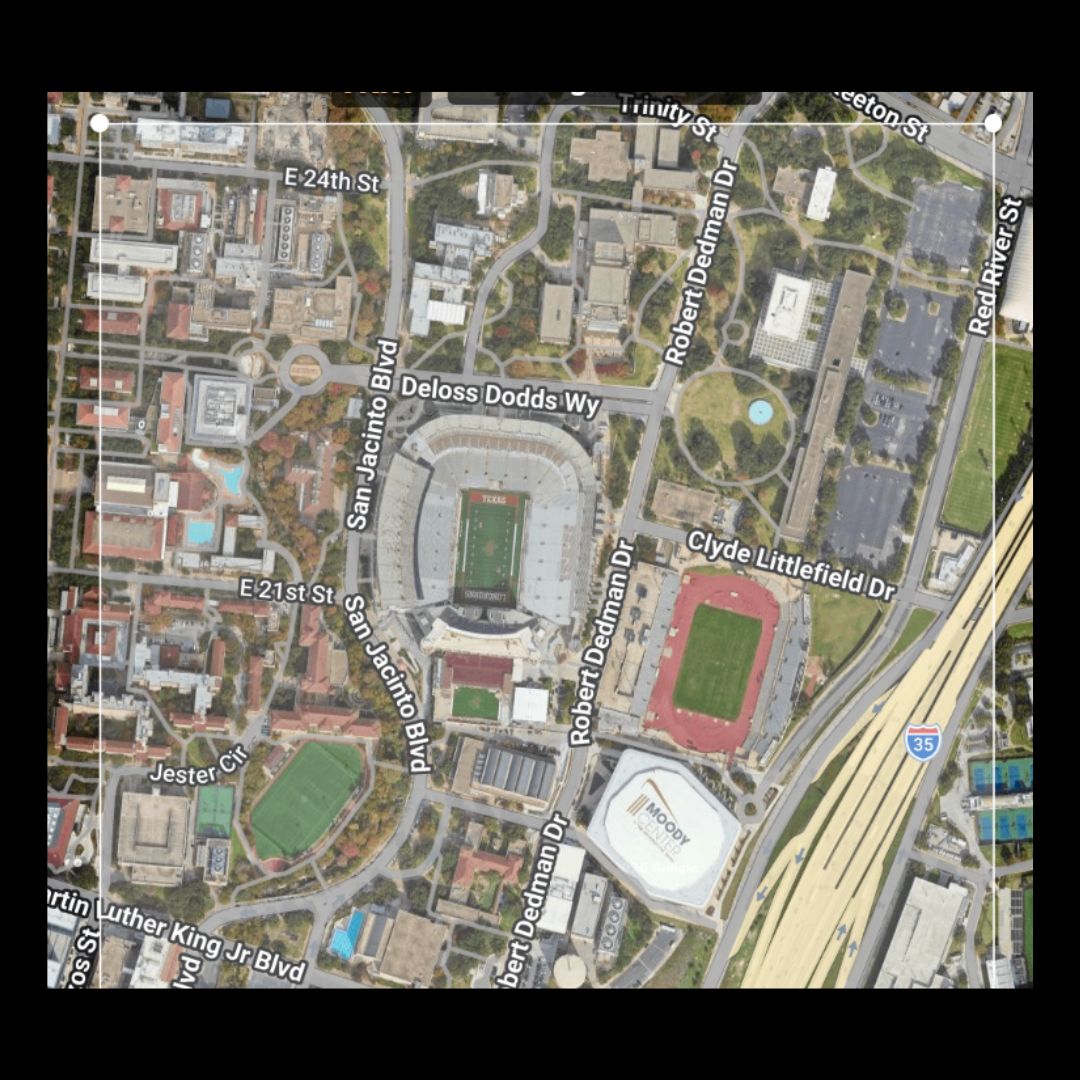
In the modern world of engineering and planning, aerial photography has become one of the most powerful tools for transforming the way infrastructure projects are conceived, designed, and executed. From highways to bridges, urban development to utility networks, seeing the big picture from above is no longer a luxury, but a necessity to drive efficiency, accuracy, and sustainability.
Revolutionizing planning and site selection
One of the first advantages of aerial photography is planning and location selection. Traditionally, engineers and planners rely on geotechnical surveys and 2D maps to assess land features and constraints. High-resolution aerial imagery now provides a comprehensive overview of topography, vegetation, waterways, and land use patterns, allowing decision makers to quickly and accurately evaluate multiple options.
These aerial views will help the team identify natural barriers, assess environmental impacts, and understand how new infrastructure will integrate with the existing landscape. Designers can identify optimal locations for roads, tunnels, and buildings with greater confidence, minimizing costly design changes later in the project lifecycle.
Improving design accuracy
Once a site has been selected, aeronautical data can be valuable during the design phase as well. Engineers can overlay CAD models and GIS data onto aerial imagery to visualize how complex infrastructure fits into real-world context. This integration allows for more accurate measurements of distance, slope, and elevation, which are essential elements when designing road grades, drainage systems, and structural supports.
For large-scale urban projects, aerial photography facilitates collaboration between multidisciplinary teams. Architects, civil engineers, landscape designers, and utility planners can all refer to the same visual framework, reducing miscommunication and ensuring that all elements of the project align with the broader vision.

Streamline construction monitoring
During construction, aerial views provide an unparalleled perspective to monitor progress and quality. Drone and satellite imagery regularly updates the site, giving project managers real-time visibility into work progress. This capability is especially useful for expansive projects such as highways, rail networks, and energy infrastructure that are difficult to monitor at ground level.
Aerial monitoring allows teams to identify delays, identify discrepancies with the planned layout, and make timely adjustments without physically walking every inch of the site. This not only improves safety, but also significantly reduces the time and labor costs associated with manual inspections.
Improving safety and risk management
Safety is always a central concern in infrastructure projects, and aerial views can greatly contribute to risk mitigation. By surveying sites from above, engineers can identify hazardous conditions such as unstable slopes, flood-prone zones, and congested traffic patterns long before construction begins. These insights enable proactive design changes that protect infrastructure workers and future users.
Additionally, aerial photography can aid in emergency response planning. In the event of a natural disaster or unforeseen problem in the field, up-to-date aerial imagery can help teams assess damage, plan recovery efforts, and coordinate resources more effectively.
Supports long-term maintenance
Even after construction is complete, aerial views continue to play a role in infrastructure management. Local governments and government agencies can use regular satellite and drone imagery to monitor wear and tear on roads, bridges, and public facilities. Early detection of signs of deterioration, such as cracks or vegetation intrusion, allows maintenance teams to intervene before minor issues escalate into major repairs.
For organizations looking to take advantage of this capability, purchasing aerial satellite imagery at an affordable price can provide continuous, high-quality visual data that supports long-term infrastructure health and resiliency.
The future of infrastructure visibility
As technology advances, aerial photography has become more detailed and accessible. Innovations in satellite resolution and drone imaging have given infrastructure professionals the tools to visualize projects on an unprecedented scale. These aerial views not only improve project outcomes, but also help stakeholders communicate plans more clearly to the public and foster transparency and community engagement.
In essence, aerial photography does more than just change the way infrastructure is built. They are reshaping the very way we understand and interact with our built environment.

