



Your flight home for Christmas could be delayed and it could take you a while to get on the plane. So what should we do to kill time? Access your computer or mobile phone.
To ensure passenger privacy is protected, digital privacy company VeePN tested website security at 31 large airport hubs in the United States. Each was evaluated for security headers and SSL security. Security headers are an important component of any website and help prevent various cyber-attacks. A site with good SSL security makes your data more secure and less susceptible to hacker attacks. Airports were analyzed, each indicator was given a grade, and an overall average score out of 100 was calculated.
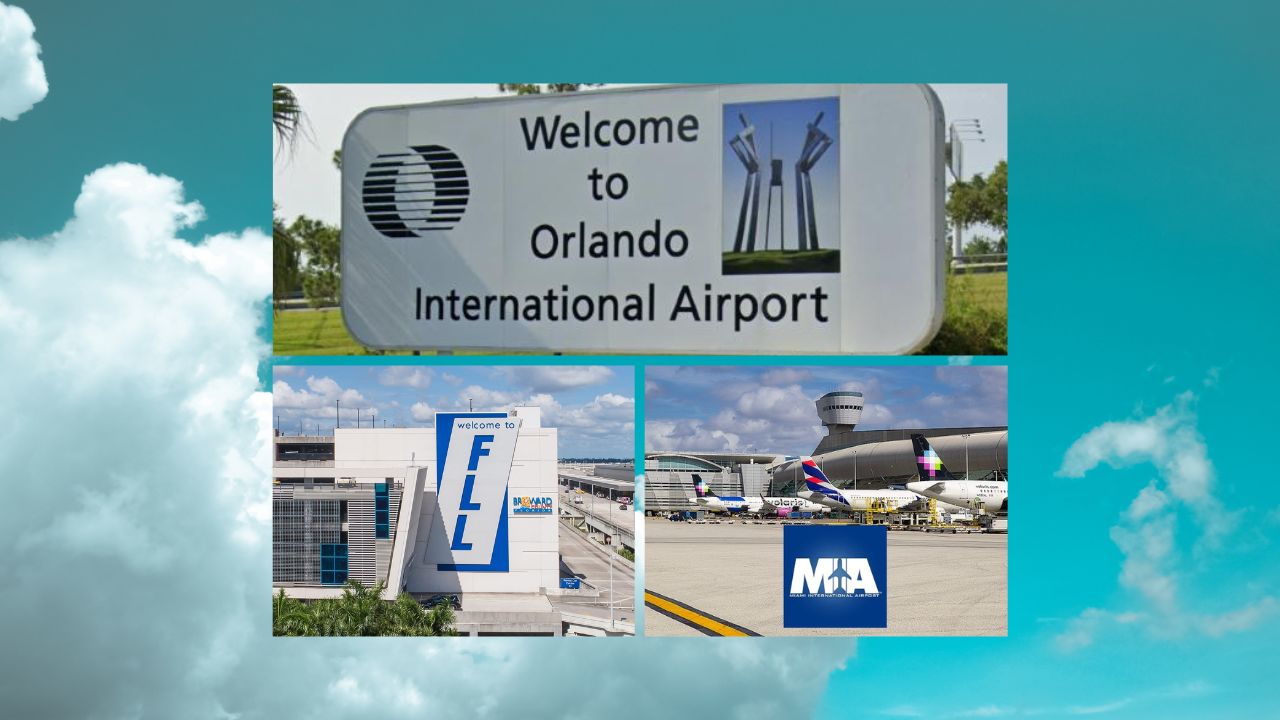
Florida airports fared well in the rankings. Miami, Fort Lauderdale, and Orlando all rank in the top 10 most secure websites, making Florida a standout state for digital security at airports nationwide.
Miami International Airport has the most secure website of any major airport hub in the United States, providing greater protection for travelers’ personal information, including credit card details and travel records. Miami International Airport took the top spot with an impressive score of 97.5 out of 100. Visitors to the Miami Airport website are the safest thanks to the highest SSL security grade (A+).
Fort Lauderdale-Hollywood International Airport secured third place with a security score of 92.5, earning a high rating for the security header (A).

Orlando International Airport tied for fourth place with exactly 90 points. The airport received a B grade for the security header and an A+ grade for SSL security.
Tampa International Airport is an outlier in Florida, ranking as one of the least safe airports on the website. Although it received a respectable B for SSL security, poor performance in security headers (D) brought it down significantly in the rankings.
The worst two were Phoenix Sky Harbor International Airport, with a score of just 50; The Arizona hub received an F in the security header, which was a complete failure and dragged down the overall score. and Daniel K. Inouye International Airport in Hawaii. Despite a respectable B rating for SSL security, an abysmal F grade for security headers was found to be a major factor in the overall poor performance in our study.
“These results show that there is wide variation in the security of airport websites across the United States. The difference between the highest and lowest scores is quite significant, almost 50 points,” said Anthony Brown, web software developer at VeePN.

