


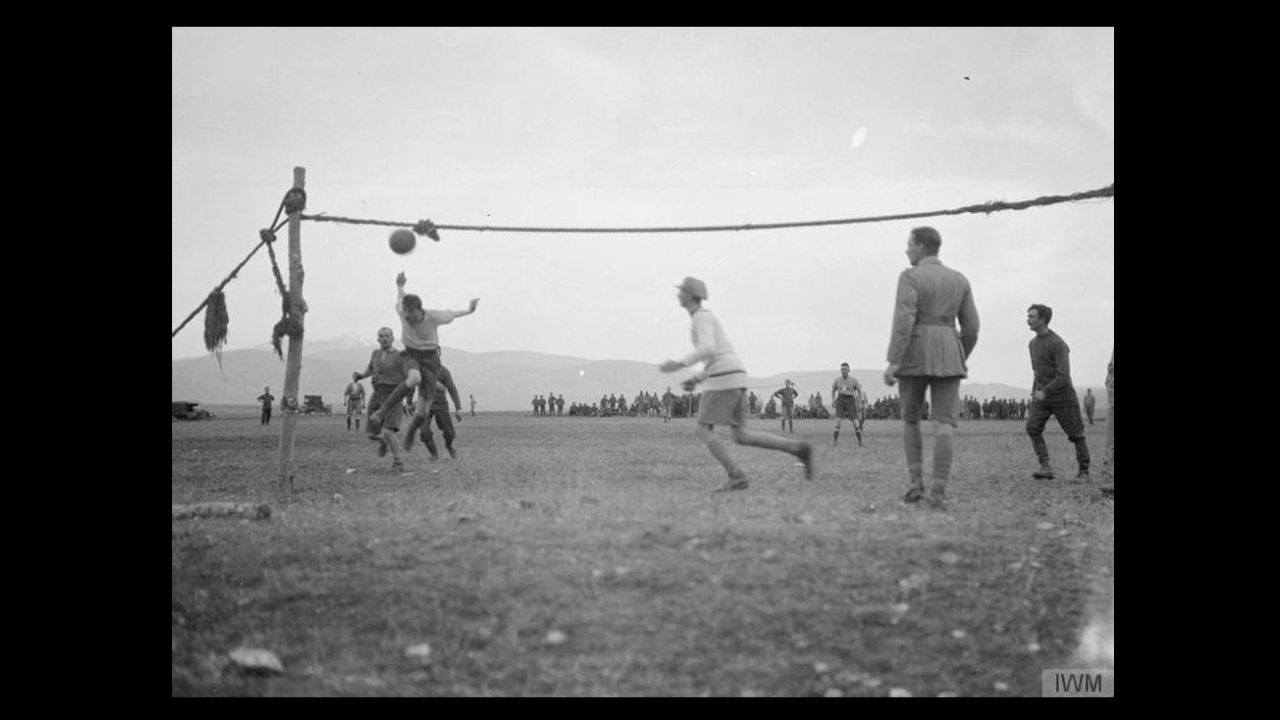
On a frozen Christmas day during World War I, the sounds of gunfire along parts of the Western Front went eerily quiet. In the spaces between the trenches – land recently torn apart by shelling – soldiers emerged, without rifles, with hesitant gestures of goodwill. Among the most memorable stories of the day is a simple soccer game played for several hours between uniformed opponents who chose humanity over hatred.
Accounts from the time describe soldiers greeting each other, sharing food, and making improvised goalposts out of their hats and coats. In some retellings, the match also included German and American soldiers, but historians note that American troops arrived late in the war. More commonly, the players were the German and British forces. What matters most is not the final score, which often gets lost in memory, but the images of young people laughing in the mud, their boots slipping on the frozen ground, momentarily forgetting the lines that separated them.
“Researchers say that troops, whether Allied or Central Powers, played soccer during breaks between battles to distract themselves from the horrors of war,” PBS reported. “The Imperial War Museum said the sport was used as a recruiting tool.” Brian Phillips of Grantland University, noting the constant presence of soccer balls in many wartime group photos, said soccer had a deeper meaning than “morale-boosting entertainment.”
The match was informal and impromptu, with no referees or timekeepers. A ball rolled in a place where until a few days ago, survival depended on staying hidden. The sound of gunfire was replaced by cheers. For a moment, the soldiers recognized each other not as targets, but as people who were missing home, family, and peace. The common language of sport did what diplomacy could not: it made enemies feel familiar.
By nightfall, the armistice had faded and orders forced the soldiers back into their trenches. The war would continue for many more years. But the Christmas football game is passed down as a quiet rebuke to the war machine, a reminder that there are glimmers of grace even in the darkest chapters of history. Even in the shadow of conflict, a simple game provided evidence that compassion can still find room to breathe.


