


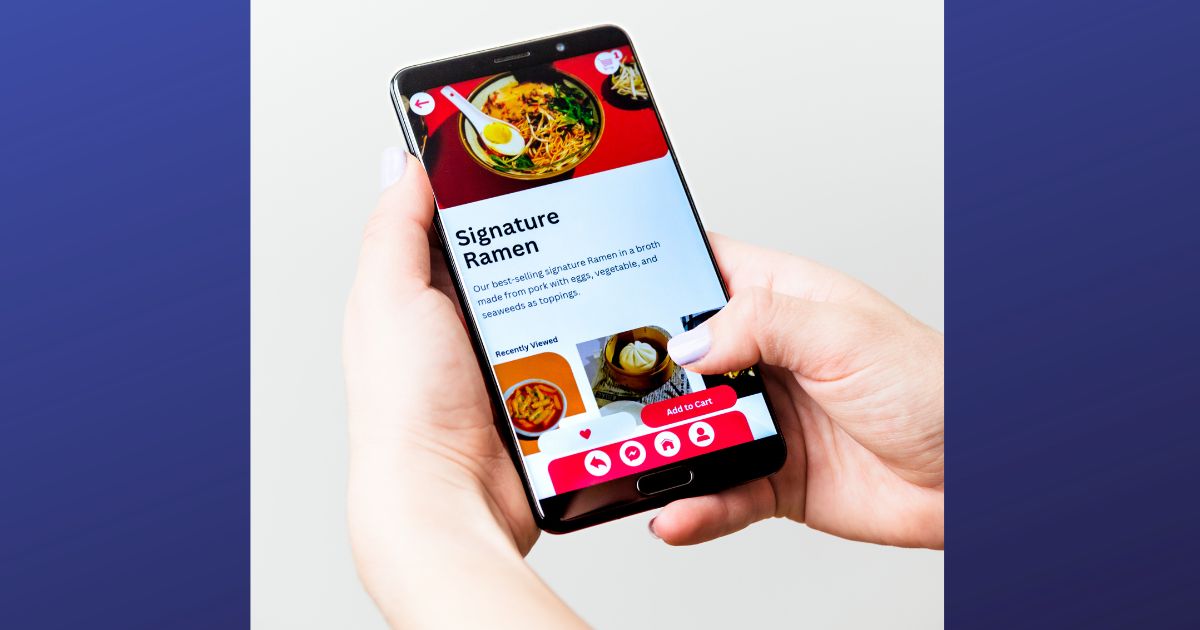
For restaurant owners, it’s always a challenge to attract new customers while keeping existing customers coming. Loyalty apps have emerged as practical tools to reward repeat visits, collect useful data, and strengthen relationships with guests. These platforms turn occasional visitors into regulars through personalized offers and points-based perks. In this article, we’ll take a look at how such applications can increase retention, boost sales, and provide measurable value for food service operators of all sizes.
Transitioning from punch cards to digital rewards
Paper punch cards once ruled the treat scene, but diners often misplaced or forgot their cards. Digital platforms have eliminated that friction by storing points directly on your smartphone. Guests can now track their progress, redeem offers, and receive personalized suggestions without physically cluttering their wallets.
Research shows that 79% of consumers say rewards programs influence their decision to continue purchasing from a brand. This number alone explains why restaurants have quickly moved to app-based systems. Owners who want deeper insight into structure and functionality can check out helpful information about restaurant loyalty apps before choosing the right platform for their operations. The right tool will depend on your menu style, guest demographics, and budget constraints.
Why retention is more important than acquisition
According to research published by Harvard Business Review, it costs five to seven times more to acquire a new customer than to retain an existing one. Retention efforts increase profit margins because returning customers already trust your brand and will spend more per visit.
Loyalty apps support retention through three distinct mechanisms:

Frequency incentives that reward visits within a specific time frame Gradual status levels that elevate guests to higher ranks Surprise rewards that build emotional connections beyond transactions.
Build habits through gamification
Keep your guests interested by turning rewards into little games. Progress bars, badges, and streaks utilize behavioral psychology to make it feel like you’re actually making progress with each visit. Diners enjoy watching their points accumulate, quietly encouraging round-trip travel that they might otherwise skip during a busy week.
Personalization as a sales driver
Generic discounts rarely make a big difference. However, personalized offers directly reflect individual preferences. Guests who regularly order vegetarian food will respond better to a plant-based promotion than a 10% off coupon sent to everyone at once.
Personalization works because it respects the diner’s time and preferences. The app groups users based on past behavior and delivers targeted pushes that feel relevant rather than intrusive.
Timing beat discount depth
Sending an offer at 4pm on a slow Tuesday night will perform much better than sending the same offer at 11am on a busy Saturday. Smart scheduling using app data to fill seats during off-peak hours and protect margins during rush hours.
Increase in average ticket size
Loyalty members clearly spend more than non-members. According to Accenture statistics, engaged program participants spend 12% to 18% more each year with brands they trust. In-app upsell prompts, such as add-ons suggested at checkout, encourage diners to order more without using pushy sales tactics.
Bundled benefits also increase ticket size. Offering a free dessert with the purchase of an entree encourages a full meal instead of a quick snack and increases your overall check total.
Reduce churn through consistent engagement
Silent guests quietly leave. Apps counter this through push notifications, email prompts, and in-app messages that keep your brand visible. Reminders about expiring points and limited-time offers bring lapsed guests back into rotation.
A well-designed program will also collect feedback directly through the app. A simple post-meal survey can help operators spot gaps in service early and prevent minor complaints from turning into permanent turnover.
conclusion
Loyalty apps have grown into an essential vehicle for restaurant growth. They enhance retention, increase average spend, and provide actionable data that enhances every business decision. Operators that invest in the right platform will gain a tangible advantage in a crowded market. By measuring consistency and personalizing the guest experience, these tools turn casual diners into loyal patrons and increase sales year-round.

