


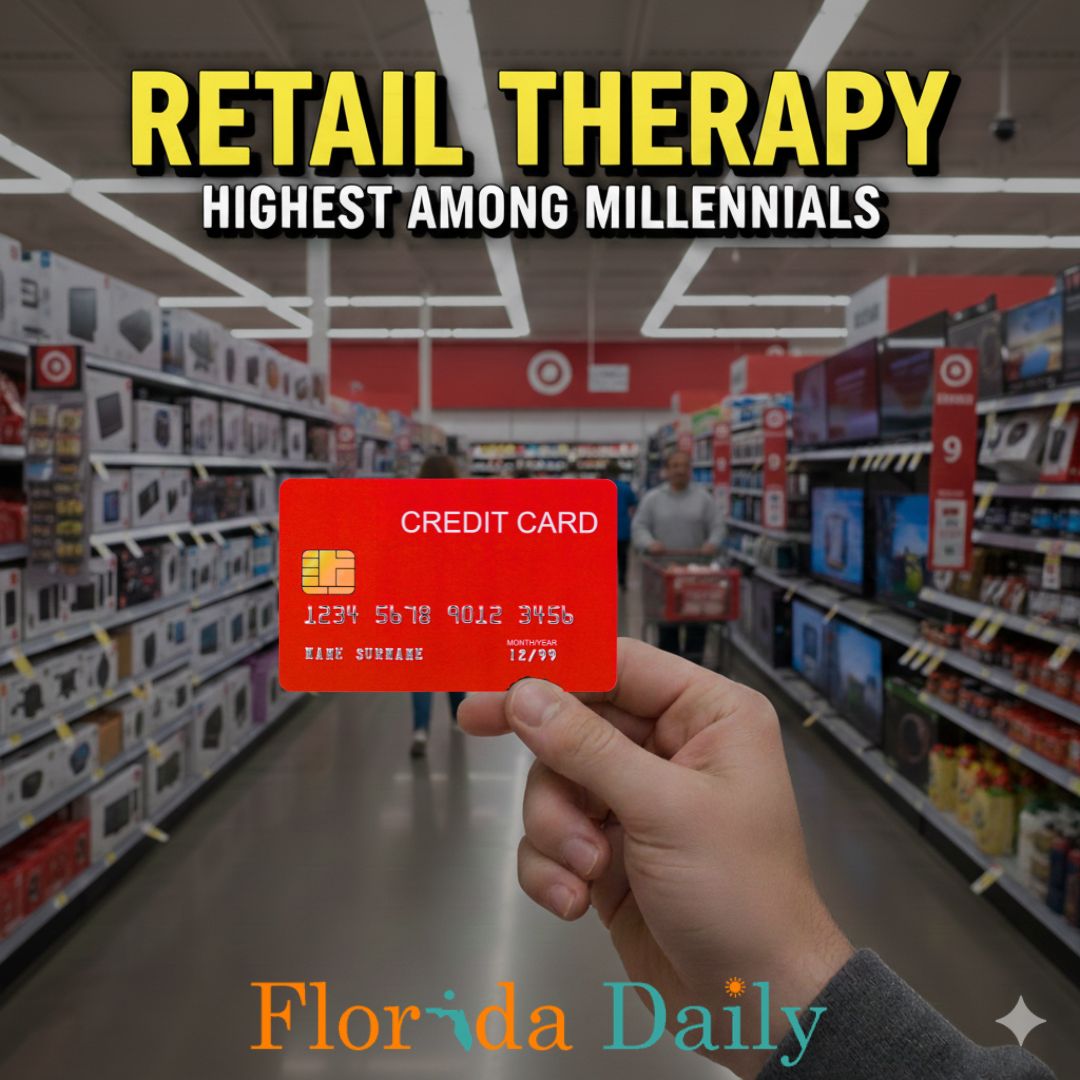
If you’re feeling down, spend money. It should improve your mood.
This treatment is called “retail therapy.” It has been described as compulsive shopping done to improve mood, reduce stress, or cope with negative emotions.
It may make you feel better, but it can lead to a lot of debt.
According to financial company CashNet USA, the average U.S. consumer makes more than 107 retail therapy purchases each year.
In 2025, the average U.S. shopper spent more than $4,500 on retail therapy. Millennials (ages 29-44) were the top spender in the age group, spending about $8,200. Gen Z followed closely with $5,900, while baby boomers spent the least, averaging $989 per year.


Gen Z feels terrible. Because according to statistics, their spending rate doubled last year, increasing by about 14%.
Most retail therapy purchases were made through online retailers. 55% of retail therapy was spent on Amazon, 54% on Walmart, and 29% on Target.
The most frequently purchased item during retail therapy was food. About 67% reported spending money on snacks and treats to improve their mood. 49% said they purchased takeout.
“Food” was the top choice for both men and women. The man bought a video game. Most women reported that purchasing clothing was a type of retail therapy, followed by purchasing beauty products.
What were the biggest issues people used to justify retail therapy? 45% of respondents cited work-related stress as the main reason. 17% said doomscrolling inspired them to shop.

