


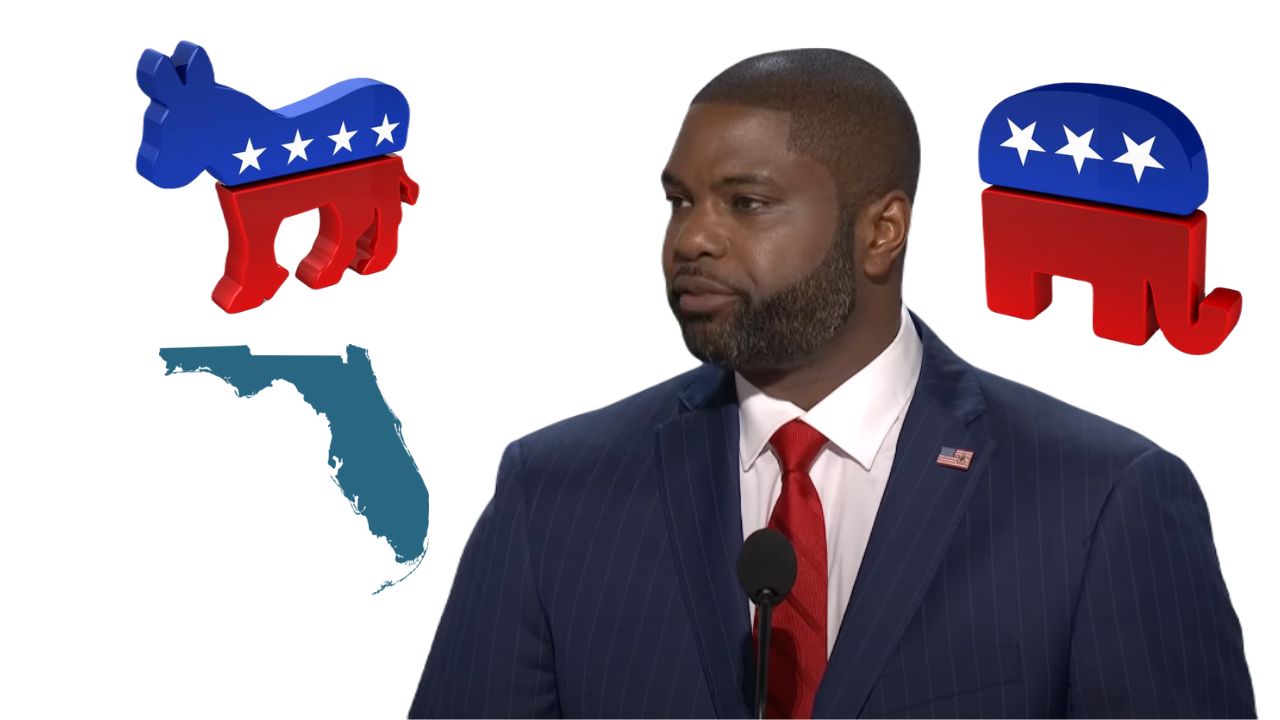
Florida’s Republican gubernatorial primary is shaping up to be far more consequential and potentially more damaging than many party members acknowledge.
At first, the race seemed all but decided. Byron Donald entered the contest as the clear favorite, buoyed by an early and decisive endorsement from Donald Trump, one that came before Donald officially declared his candidacy. Such support is no small thing in a Republican primary.
But the field is starting to get crowded. Last week, Jay Collins entered the race, lending credibility to the establishment and giving Republican voters an alternative lane. Former Florida House Speaker Paul Renner will also continue to participate. What once looked like a glide path now resembles a bitter internal party struggle.
For those of us who have been involved in Republican politics for a while, this trajectory will feel familiar. This mirrors the 2012 Republican presidential primary, when Newt Gingrich and Rick Santorum betrayed Mitt Romney’s support in an effort to slow his march to the nomination. Romney had the money and the polls, but his rival offered something else. It was a relentlessly negative message.
This internal struggle within the Republican Party ended up accomplishing much of the early work of Barack Obama’s re-election campaign. By the time Romney secured the nomination, his image had already been shaped, to a large extent, as a ruthless corporate elitist bent on dismantling Social Security in favor of the wealthy. Even Romney’s dominant performance in the first presidential debate could not reverse the satire that had settled in the minds of independents and suburban voters.
Florida Republicans would be wise to take that lesson seriously.
Yes, Donald is still likely the candidate. However, the longer and tougher the primary election is, the more political damage he will inflict before the general election begins. And while Republicans often point to Gov. Ron DeSantis’ landslide reelection as proof the state is safe red, history tells a more complicated story. Beyond this debacle, Florida has had some extremely close races across the state over the past 20 years.
The voter registration advantage that Republicans currently enjoy is real, but not in and of itself decisive. Independent voters still decide close elections in Florida, and they tend to rebel against candidates who are too bloody and defined by negative campaigning.
If Donald Trump enters the election weakened by months of infighting in the Republican Party and Trump’s national numbers remain weak heading into November, the scenario becomes increasingly dangerous. Republicans could be in real danger of losing the governor’s mansion for the first time in more than 25 years, against disciplined, moderate Democrats with a resonant message.
In this primary, it’s not just about who wins, it’s about how the candidates fare when the real battle begins. That makes the Florida gubernatorial race one of the most closely watched races of the upcoming cycle.
